Old Tech Is the Best Tech: A Love Letter to Things That Just Work
Table of Contents
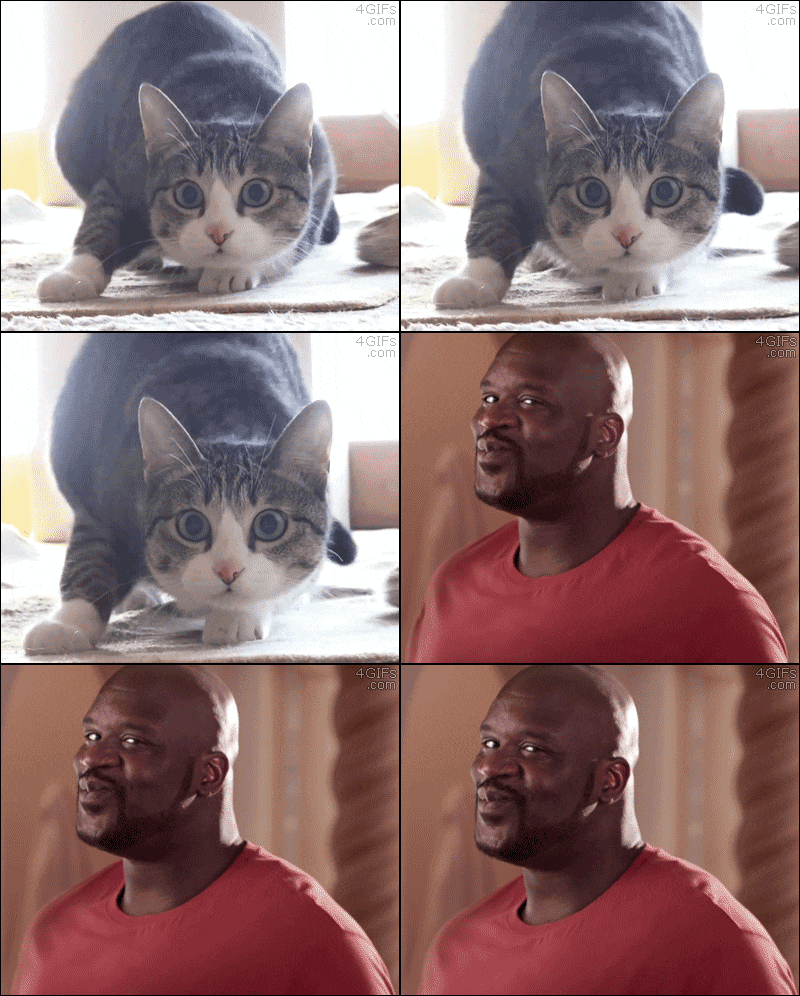
Why old hardware and old software beat the new shiny stuff: KISS, the Unix philosophy, repairability, and the quiet joy of tools that do one thing well. Take a look at this cat. No updates. No subscriptions. No "we've redesigned the piano, hope you like it." The cat sits down, plays the song, and leaves. That, my friend, is the entire thesis of this blog post. Let me tell you a secret that took me years to learn: newer does not mean better. In fact, a huge amount of the best technology ever made is old. Really old. Like, "your parents were in school" old. And the reasons why are not nostalgia. They are design philosophies with names, and once you see them, you will never unsee them. Here is a puzzle. Phones get faster every single year. So why does your three year old phone feel slower than it did on day one? Why does a laptop with a "pro" sticker struggle to open a text file? Why does every app you install ask for your location, your contacts, your microphone, and probably your hopes and dreams? The answer is that modern tech is mostly built to do everything, for everyone, forever, while making someone money. Old tech was often built to do one job, really well, and then shut up about it. There are two famous philosophies behind this, and they are the real stars of the show. Yes, that is the real name. Engineers at Kelly Johnson's legendary Skunk Works aircraft shop coined it in the 1960s. The idea is brutally simple: systems work best when they are kept simple, not when they are made complicated on purpose. Every feature you add is a small tax. A tax on speed. A tax on reliability. A tax on the person who has to fix it at 3 AM. Simple systems have fewer places to break. Complicated systems have more. That is not an opinion, that is math. This cat has just opened a modern app and been greeted by a fullscreen animation, three popups, a login wall, and a "rate our app" dialog. The cat is not impressed. The cat would prefer a button that does the thing. This one comes from the Unix world, the family of operating systems that quietly runs the entire internet, most phones, and probably the machine you are reading this on. The original Unix philosophy, written down by Doug McIlroy, says: Write programs that do one thing and do it well. Write programs to work together. That is the whole magic trick. Small tools, each excellent at exactly one job, that can be chained together like Lego bricks. Here is where old software shows its genius, and I want you to actually understand this because it is genuinely beautiful. In Unix, you have tiny commands. So one line like this: ...lists your files, sorts them alphabetically, and shows only the text files. Three tiny programs, each doing one thing perfectly, combining into something new. The people who built these tools in the 1970s could not imagine your laptop. But their little tools still run on it, unchanged, because they followed the philosophy. Nobody had to design "sort files and find text files" as a feature. It emerged from simple parts. That is the power of doing one thing well. This cat is not fighting a bloated app. This cat is in the zone, piping commands together like a tiny furry wizard. Now let's talk about the metal, because old hardware has its own quiet superpowers. Repairability. Old devices were built to be opened. Screws, not glue. Standard parts, not mystery chips. A ThinkPad from 2012 has a service manual with actual exploded diagrams, telling you exactly how to replace the keyboard, the fan, the RAM. Your phone, by contrast, is basically a sealed bar of soap that costs a month's allowance to fix. Longevity through simplicity. A mechanical keyboard from the 1980s types exactly as well today as it did the day it was made. It has no software to update, no drivers to break, no cloud to depend on. It is a bunch of switches and honesty. A Game Boy from 1989 still plays the same cartridges. Put in batteries and you are playing Tetris in seconds. No account creation. No day one patch. Physical honesty. Old hardware usually had a switch or a jack for everything. A headphone jack. An Ethernet port. A physical volume knob. You could see what the machine was doing, because ports and buttons told you the truth. There is a deep comfort in tools whose interface is the thing itself. This cat has evaluated the features of the modern smart home ecosystem and is taking appropriate action. The same ideas show up in old and minimal software, and there are whole communities keeping this flame alive. Privacy without effort. A device from 1998 cannot phone home, because there is no home to phone. It cannot harvest your data, because it cannot connect to anything. Minimal software has less code, and less code means fewer places to hide a security hole. This is not just a vibe, it is a real advantage of small attack surfaces. You own it. When your tools are simple, you understand them. You can fix them. You are not renting a feature that can be removed by an update. There is a deep, quiet freedom in using something that cannot change its mind about you. Focus. One thing done well respects your attention. A tool that does one job does not need a notification strategy. No, and honesty matters here. Old minimal philosophy does not mean rejecting everything new. It means being picky, with reasons. A modern web browser doing video calls for free would look like magic to someone in 1995, and honestly it kind of is. The point is not "old good, new bad." The point is this: Simple, focused tools age like wine. Bloated, everything-for-everyone tools age like milk. The test you can use on any technology, new or old, is a set of questions straight from the old masters: The more yeses, the better the tech. A 1994 Unix tool aces this test. So does a mechanical pencil. So can a brand new app, if its makers care about these ideas. Old technology is the best teacher because it shows us what "best" even means. Not more features. Not shinier. Best means: does its one job beautifully, works with other things, lasts forever, and never gets in your way. Keep it simple. Do one thing and do it well. Let the tools be small and let the results be big. Now go find one bloated thing in your digital life and replace it with something simpler. Your future self, and your battery, will thank you.
The Setup: Why Does New Stuff Feel Worse?
Meet the Philosophies
KISS: Keep It Simple, Stupid

Do One Thing and Do It Well
The Pipe: The Most Beautiful Idea in Computing
ls lists files. sort sorts lines. grep finds text. Individually they are almost boring. But here is the trick: you can connect them with a pipe, written as |, which means "take the output of this program and feed it into the next one."ls | sort | grep ".txt"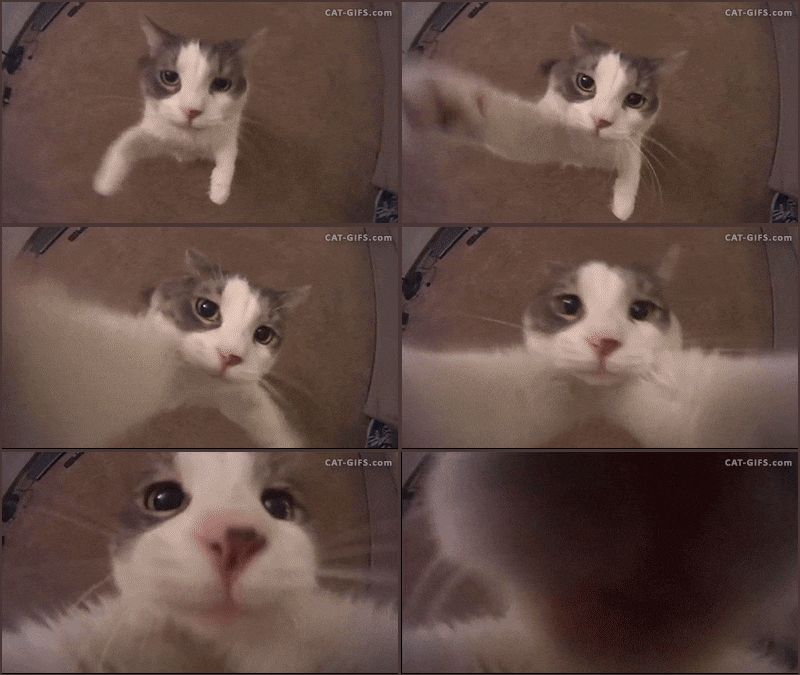
Hardware That Refuses to Die
Software That Gets Out of Your Way
The Hidden Benefits Nobody Talks About
But Wait, Is New Tech Bad?
The Takeaway